Capitalism is such an insidious bacteria, it seems to find any and every crack to seep its way into public space. Education is no exception. Smaller Learning Community grants are given to public schools across the U.S. The grants promise schools to answer the problem of students slipping through cracks when isolated within anonymous, large school populations by creating "smaller learning communities." What progressive couldn't get on board with that, right? As one of the SLC Grant Coordinators I was excited by the possibilities of this grant to address prejudice, violence, isolation, suicide, etc. In fact, I'm still somewhat positive that these things can be accomplished, but not by outside private entities whose primary motivation is ultimately profit!
Many of the private consultants that attend the SLC Grant conferences (like the one I attended in Florida this weekend) are armed with canned answers, books, workshops, private consultations, PowerPoints, handouts, brochures, etc. Perhaps, not too surprising, they were also once educators themselves. (Warning: the following is one big tongue in cheek!). Now, however, they have found more "profitable" ways to help educate our children. Their ways are always "more efficient," "more logical," and always "common sense." They're above the fray and have broken free from the fetters of bureaucratic public education to discover more streamline models that are obviously much more sensible and realistic approaches to education.
In reality, these former educators couldn't handle the growing list of duties and unrealistic demands placed on teachers, nor the never-ending prescriptive policies (such as NCLB) that go unfunded. So they quite their jobs to get rich saving education. Shouldn't these former educators be admired for recognizing the limits of public education and seeking to solve problems with efficient, steam-line private monies. After all, the free market will redress any level of corruption and profiteering, right? Or should they be recognized as opportunistic vultures whose most intelligent assessments were acknowledging that they'd never get ahead on the front lines of education? Did they figure out that instead they'd be smarter to exploit a very vulnerable and desperate institution? (A vulnerability and desperation that are predicated on under-funding, and the cultural devaluing of education as a social priority).
(A quick pre-emptive for Wiser) The amount of work a teacher does is utterly under-appreciated! Enough said!
What I observed this past week was nothing short of criminal. Former educators costing our school district more than $12,000 to fly a delegation of eight educators (principal, counselors and teachers) to Ft. Lauderdale, FL. We dutifully helped our flailing economy (and capitalism's inside group) by paying for flights, meals, hotels, transportation, and then the big whammy: a conference of private entities shilling their less-than-professional books, tapes, DVDs, overheads, and flimsy science that would rescue our sorry schools. Interestingly, the money came from our SLC grant. Our grant is a $5 million grant (spread among several high schools in the area) that our government feels can best be spent on contracting with outside private companies. Ahhh, the perfect asymmetrical relationship contracting the public to the private (stage one in which Milton Friedman gets his oats!); just as the private companies likes it: no accountability, no audits, no transparency.
In reality, this kind of profit looping is all too common in the modern capitalist system. Can the Patriots be stopped? Can criminal profiteering? The Revolution Will Not Be Funded!
Showing posts with label charity. Show all posts
Showing posts with label charity. Show all posts
Sunday, January 20, 2008


Sunday, February 25, 2007
Non-profits: Help or hindrance?
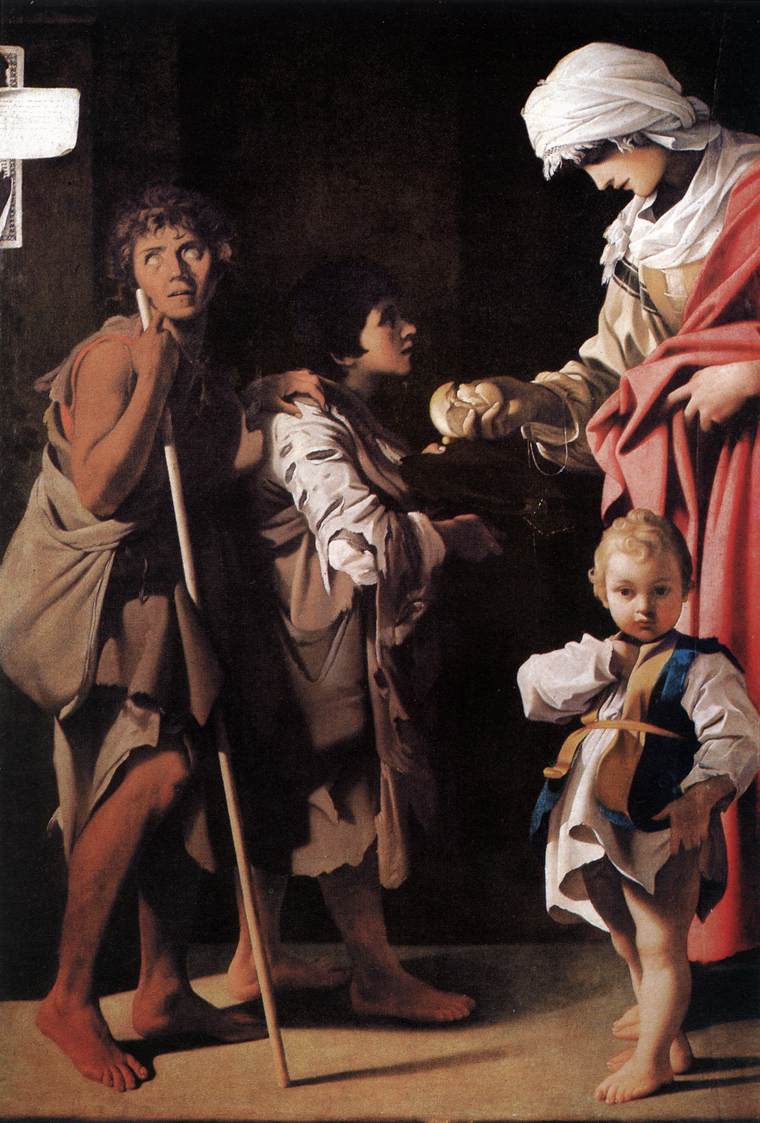
"In the United States, nonprofits play a critical role. They provide almost all social services, arts and other culture, education, advocacy, religion, pro bono legal services, and free health care. In addition, nonprofits are leading the charge, and in many cases, are the only organizations working on saving the environment, ending racism, protecting civil rights and civil liberties, and promoting full acceptance and recognition of the rights of women, sexual minorities, people with disabilities, and seniors. In general, then, almost everything that is creative, humane, and promoting of justice is brought to us by a nonprofit" (Klein, Kim. Fundraising for Social Change. Jossey Bass: New York, 2001).
Ever since I read the preceding words written by one of the most important figures in the field of grassroots fundraising, Kim Klein, I can't stop wondering if in fact nonprofits prevent the possibility for true social, economic and environmental justice. Doesn't the massive nonprofit sector provide capitalists with a philanthropic out? Paulo Freire once said: "In order to have the continued opportunity to express their "generosity," the oppressors must perpetuate injustice as well."
When one considers the enormous amounts of human energy through volunteer hours organizing, educating, advocating, and fundraising to provide the most basic of human rights, one must question whether or not American capitalists are avoiding their responsibility for the maldistribution of wealth, resources and power. Nonprofit activists are often caught up in a tense conflict of their principles by asking the wealthy for money to save the environment that they, "the wealthy elites," polluted; or nonprofits often have to ask for the blood money the wealthy earned in their stock portfolios from the profits of companies like Coca-Cola that has a direct role to the murder of union-workers in Colombia; and the list goes on and on.
What if nonprofits stopped providing their services? What if nonprofit activists stopped investing their time, energy and scant financial resources providing basic human services that are the responsibility of the entire society and instead focused its collective energies organizing for systemic revolution? What if the nonprofit sector stopped begging for blood money, closed its doors and forced Americans to look to its government for help? Would that apply the kind of pressure needed to get universal health care? Would that force Americans to start rethinking the myths of American exceptionality and capitalism's benevolent "invisible hand"?
Perhaps the time has come to stop bailing capitalism out and start organizing for a revolutionary future.
Subscribe to:
Comments (Atom)